
KEY HIGHLIGHTS
| • Hormonal acne and bacterial acne can look similar but come from different root causes. • Location, timing, and breakout pattern are the biggest clues dermatologists use to tell them apart. • Using the wrong treatment approach for your acne type is a common reason breakouts don’t improve. |
“Acne” isn’t one condition with one cause — it’s a category, and two of its most common forms, hormonal and bacterial acne, need genuinely different treatment approaches. Using a bacteria-focused routine on hormonal acne (or vice versa) is one of the most common reasons breakouts don’t improve despite months of effort.
What Hormonal Acne Looks Like
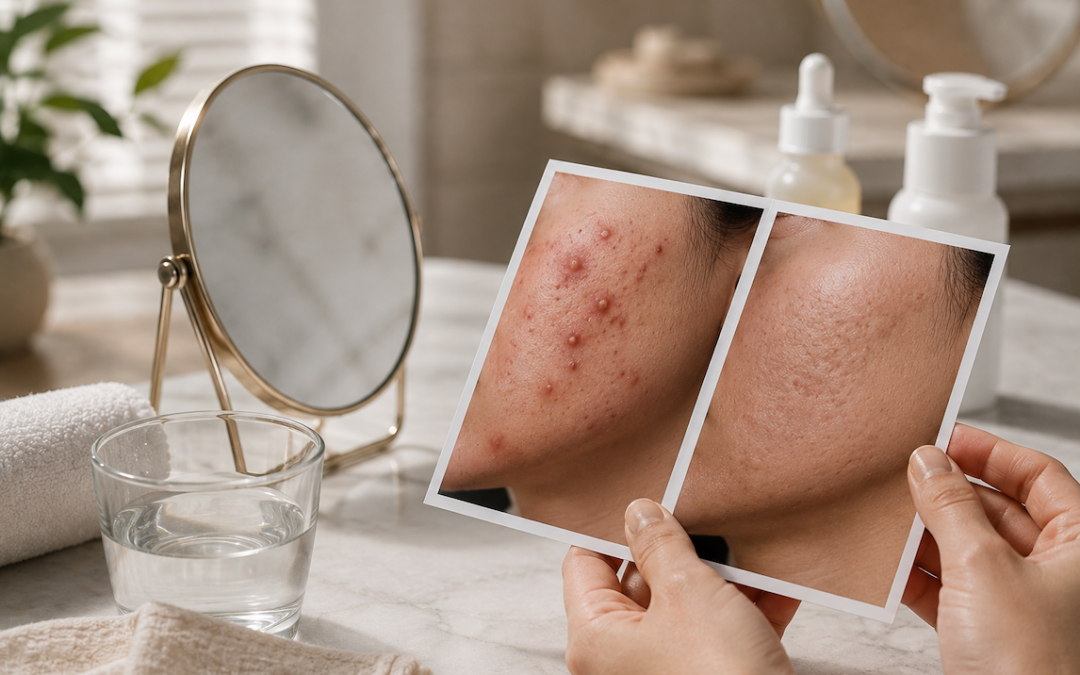
Hormonal acne tends to cluster along the jawline, chin, and lower cheeks. It often follows a monthly pattern — flaring around a menstrual cycle — and shows up as deeper, tender, cystic bumps rather than surface-level whiteheads. It’s driven by hormonal fluctuations that increase oil production, which is why it’s common during puberty, around periods, and during pregnancy or PCOS.
What Bacterial Acne Looks Like
Bacterial acne is more evenly spread across the face — forehead, nose, cheeks — and tends to show up as smaller whiteheads, blackheads, and inflamed pimples rather than deep cysts. It’s driven by a build-up of P. acnes bacteria in clogged pores, often worsened by excess oil, sweat, or skincare products that aren’t suited to your skin.
How Dermatologists Tell the Difference
- Location: jawline and chin lean hormonal; forehead, nose, and cheeks lean bacterial.
- Timing: acne that flares monthly, around a cycle, is a strong hormonal signal.
- Texture: deep, tender, cystic bumps suggest hormonal acne; smaller surface bumps suggest bacterial.
- History: acne that started or worsened alongside other symptoms — irregular cycles, excess hair growth — points toward a hormonal cause worth investigating further.
Why the Distinction Changes Treatment
Bacterial acne typically responds well to treatments that target oil and bacteria directly — topical actives, chemical peels, and consistent skincare. Hormonal acne often needs that same approach plus something that addresses the underlying hormonal driver, which is why it can require a longer-term plan and, in some cases, a conversation about hormonal factors rather than skincare alone.
Getting an Accurate Diagnosis
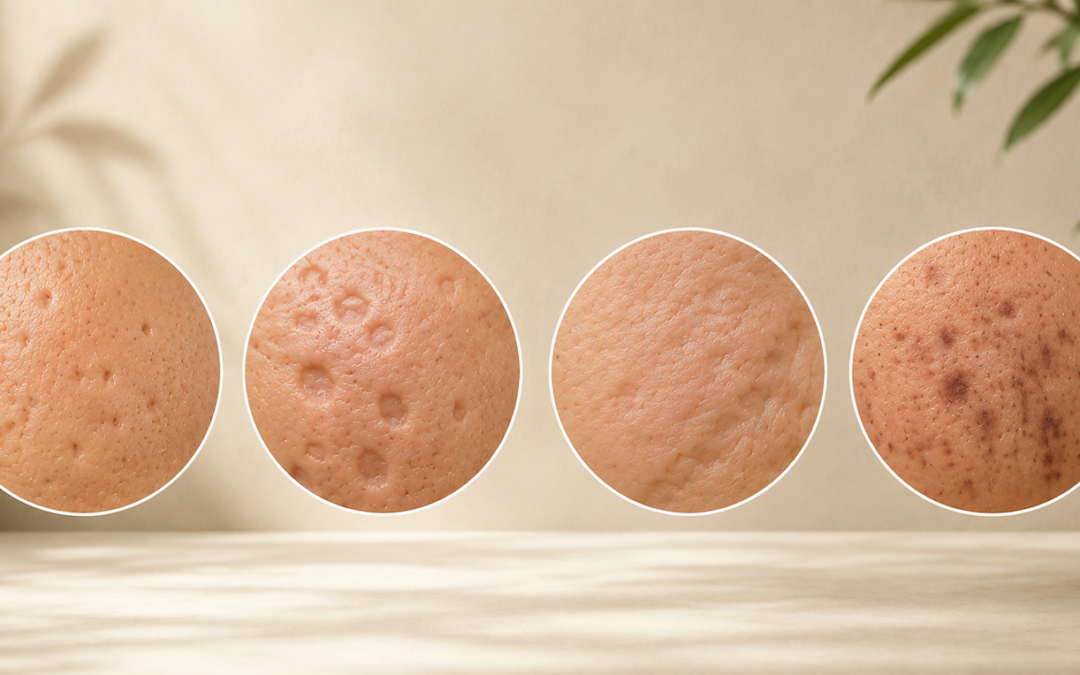
Because both types can overlap — and because acne caused by one can leave behind marks that look like the other — the most reliable way to know what you’re dealing with is a dermatologist assessment rather than trial and error with over-the-counter products. [Link to: Acne Scar Treatment page]
If your acne has resisted the usual advice — cleanser, moisturizer, spot treatment — it may not be that you’re doing skincare wrong. It may simply be the wrong approach for your type of acne.