

KEY HIGHLIGHTS
- A single evening of firecracker smoke is unlikely to cause lasting skin damage, but it can leave skin dry, itchy or reactive, particularly if it is sensitive or eczema-prone.
- Repeated, long-term exposure to polluted air is the pattern linked in studies to skin ageing, pigment spots and flare-ups.
- Gentle cleansing, moisturiser and daytime sunscreen help more than scrubbing or detox products, and burns need medical care.
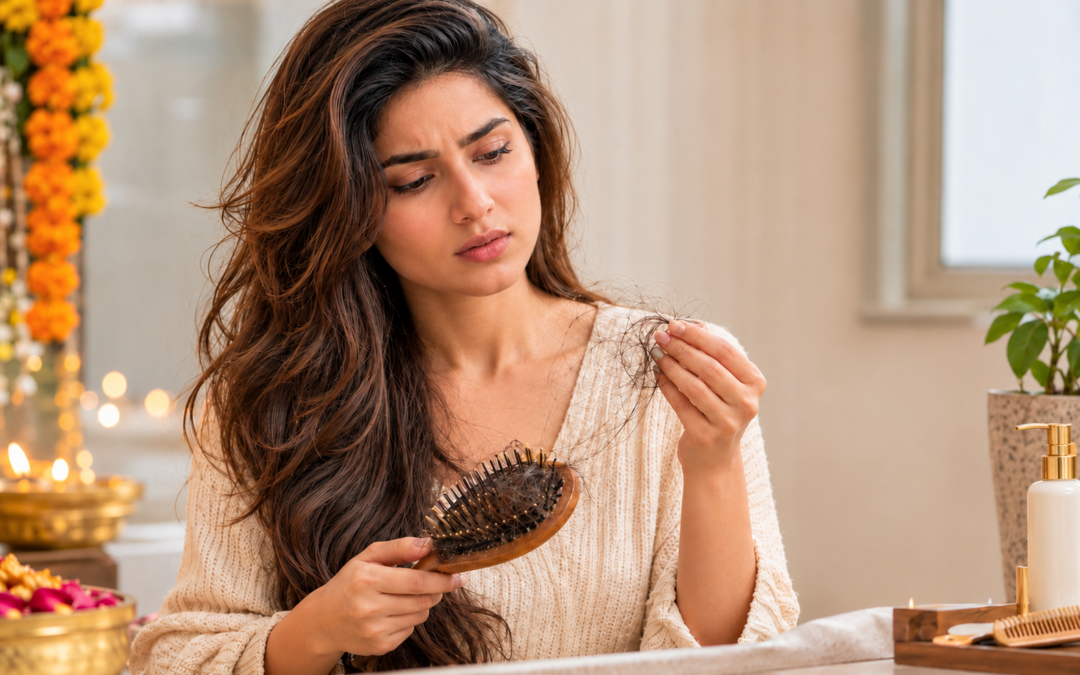
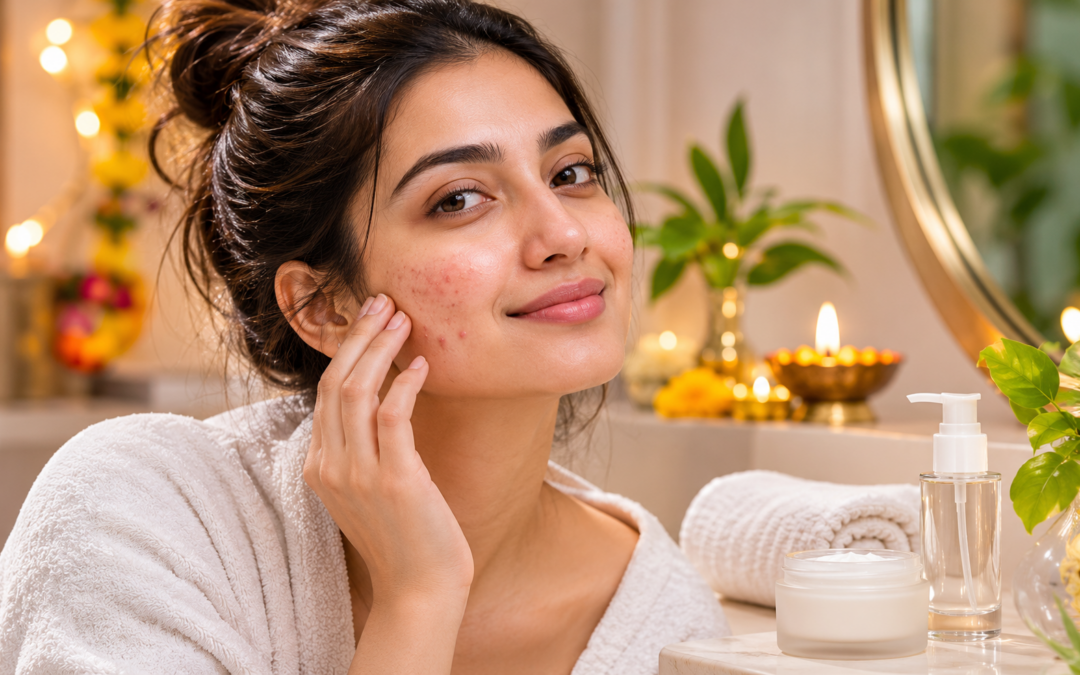
Every Diwali the same question returns: does firecracker smoke actually harm your skin, or is it another festive scare? The short answer is that one night of smoke is unlikely to cause lasting damage in healthy skin, but it can irritate, dry out and set off flare-ups, while long-term exposure to polluted air is a different matter. URSA’s team, led by Dr. Urvi Panchal (MD Dermatology), has set out the most common misunderstandings below, with the facts beside each.
Myths and facts
| MYTH 1 | One night of firecracker smoke will permanently damage your skin. |
| FACT | Lasting changes such as ageing and pigment spots are linked in studies to repeated exposure over years. A single evening is more likely to cause temporary dryness, itching or irritation, and to set off a flare in skin that already reacts easily. |
| MYTH 2 | Scrubbing hard is the best way to remove smoke and soot. |
| FACT | Scrubbing damages the skin barrier and makes irritation worse. A gentle cleanser and lukewarm water remove smoke particles well, and a moisturiser afterwards restores comfort. |
| MYTH 3 | A detox mask or serum reverses pollution damage. |
| FACT | No product detoxifies the skin. A gentle routine and daily sunscreen support the barrier, and “detox” is a marketing word rather than a medical one. |
| MYTH 4 | Only people who light crackers are affected. |
| FACT | Smoke travels, and fine particles enter homes through windows and vents. Keeping windows closed at peak hours and cleansing after time outdoors helps everyone in the household. |
| MYTH 5 | If your skin looks fine the next morning, nothing has happened. |
| FACT | Reactions can be delayed. Watch for itching, redness, new breakouts or a rash over the following days, and see a doctor if they persist. |
| MYTH 6 | Haze means you can skip sunscreen. |
| FACT | Haze does not reliably block ultraviolet rays. Daytime sunscreen still matters, and it matters more if you are prone to pigmentation. |
What should you do after being out in the smoke?
- Wash your hands, change your clothes and rinse your face with lukewarm water.
- Cleanse once with a gentle, fragrance-free cleanser. Do not scrub.
- If your eyes sting, rinse them with clean water, and see a doctor if the irritation continues.
- Apply a fragrance-free moisturiser while the skin is still slightly damp.
- If the skin feels raw, skip retinoids and exfoliating acids for a day or two.
Burns are a medical matter. Cool a firecracker burn under clean running water for about 20 minutes and see a doctor. Do not apply toothpaste, butter or other home remedies.
Who is more likely to react?
People with eczema, asthma or sensitive or acne-prone skin, and young children, tend to notice problems first. If you have a history of flare-ups, plan ahead: moisturise regularly, avoid the peak smoke hours and keep any medicines your doctor has prescribed within reach. Our Diwali week skin survival guide covers the wider routine, and the clinic’s five skincare myths article debunks a few more common beliefs.
When should you see a doctor?
- Redness, swelling or a rash that spreads or does not settle within a few days.
- Severe itching, painful blisters or skin that is weeping or cracking.
- Eye pain, vision changes or breathing difficulty. These need prompt medical attention.
- A flare-up of eczema or acne that does not respond to your usual routine.
Skin that has settled but looks dull or congested afterwards can be reset later with a HydraFacial, and a skin booster for dehydrated skin may be discussed if it stays tight. Wait until any irritation has gone. If you are searching for a skin doctor near me, our checklist for choosing a dermatologist in Gurgaon is a good starting point.
Frequently asked questions
Q1. Is it safe to go outdoors on Diwali night?
For most healthy adults, short exposure is unlikely to cause lasting harm, although smoke can irritate the eyes, nose and skin. People with asthma, eczema or sensitive skin should limit time outdoors in the peak smoke hours and follow their own doctor’s advice.
Q2. Should I wash my face as soon as I get home?
Yes, once, with lukewarm water and a gentle cleanser. Repeated washing dries the skin and can make irritation worse.
Q3. Can firecracker smoke cause pimples?
It can contribute indirectly. Particles on the skin and heavy makeup can clog pores, and irritated skin may break out. Cleansing properly and avoiding picking helps. Persistent breakouts should be assessed by a dermatologist.
Q4. Do masks and closed windows help?
A well-fitted mask such as an N95 respirator reduces what you breathe in, and closing windows at peak hours reduces smoke indoors. Neither replaces gentle cleansing and moisturising afterwards.
Individual results vary, and a consultation is the most reliable way to confirm what suits your skin. To speak with a dermatologist, book a consultation at either URSA clinic in Gurgaon.