
KEY HIGHLIGHTS
- Several widely-believed skincare habits are outdated or simply untrue — and can actively work against your skin.
- Sunscreen indoors and ‘natural equals safe’ are two of the most common misconceptions dermatologists hear.
- Most of these myths persist because they sound intuitive, not because they’re supported by how skin actually works.
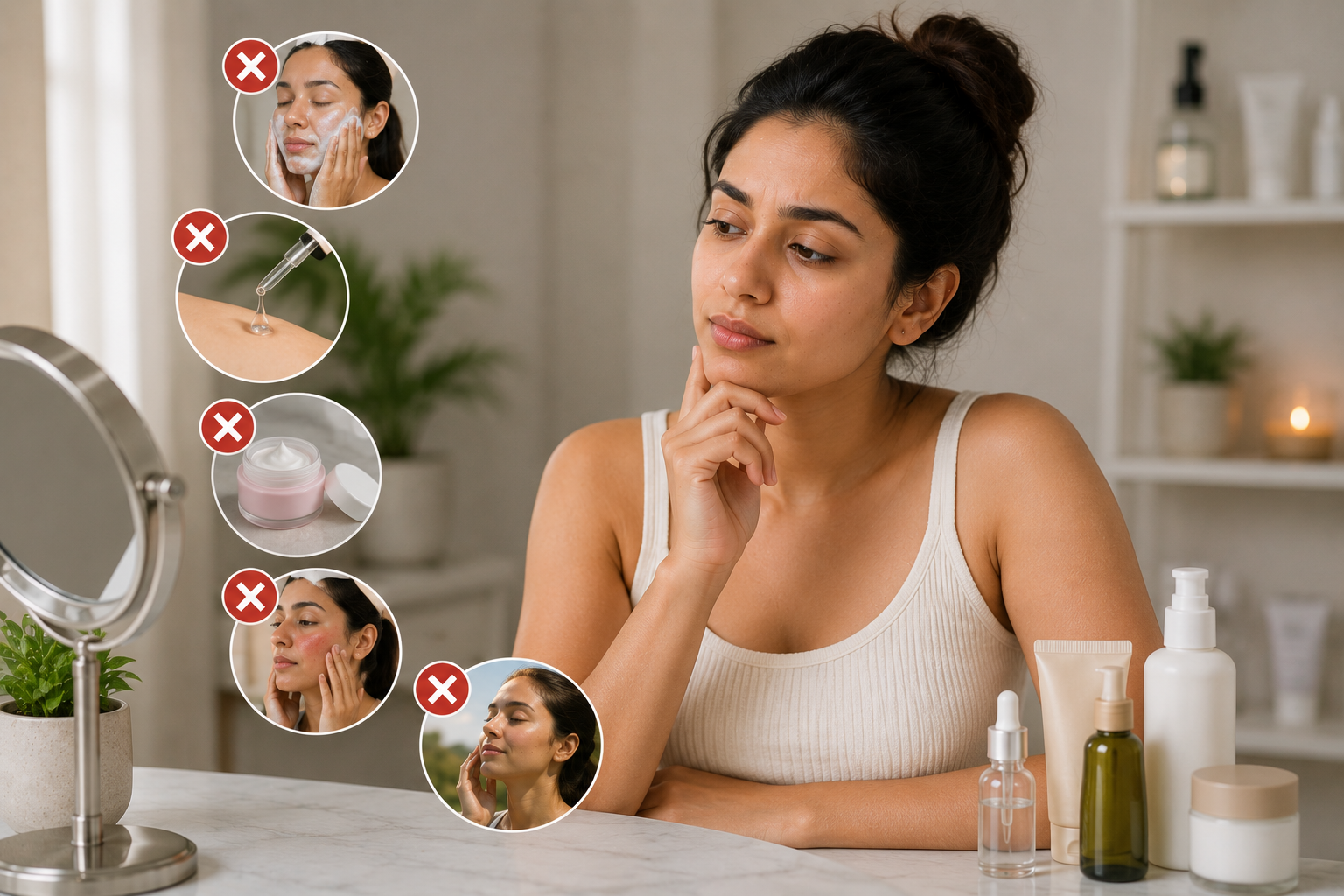
Some skincare advice sticks around simply because it sounds reasonable — not because it’s actually true. Here are five of the most common myths dermatologists hear on a near-daily basis.
Myth 1: You Don’t Need Sunscreen Indoors
Fact: UV-A rays pass through windows, and screen exposure adds a smaller but real contribution too. If you sit near a window for work, or step out even briefly during the day, indoor-only sunscreen habits leave a real gap — one of the more common reasons pigmentation persists despite “good” skincare otherwise.
Myth 2: Natural or ‘Chemical-Free’ Products Are Always Safer
Fact: “Natural” isn’t a safety guarantee — plenty of natural ingredients (certain essential oils, for instance) can irritate or sensitize skin, while many well-tested synthetic ingredients are both safe and effective. What matters is whether an ingredient suits your specific skin, not which category it falls into.
Myth 3: Oily Skin Doesn’t Need Moisturizer
Fact: Skipping moisturizer on oily skin can actually trigger more oil production, as skin tries to compensate for the lack of hydration. The fix isn’t skipping moisturizer — it’s choosing a lightweight, non-comedogenic formula suited to oily skin.
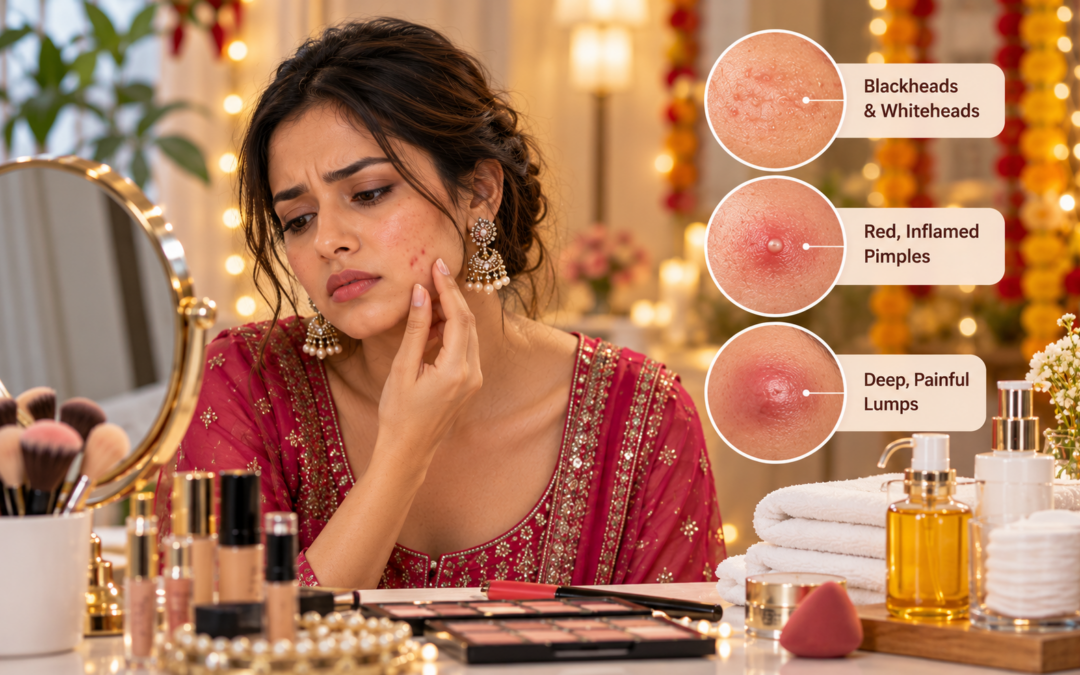
Myth 4: Popping a Pimple Speeds Up Healing
Fact: It usually does the opposite — popping can push bacteria and inflammation deeper into the skin, increasing the risk of a permanent mark or scar where a temporary pimple would otherwise have healed on its own.
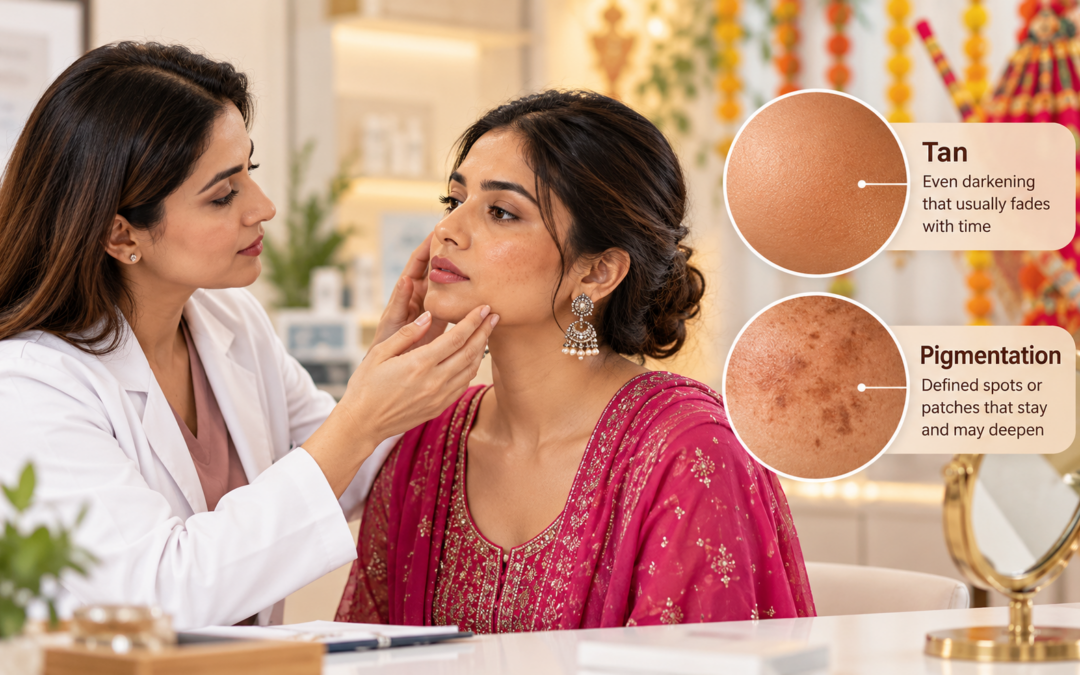
Myth 5: Pigmentation and Sun Spots Fade on Their Own Given Enough Time
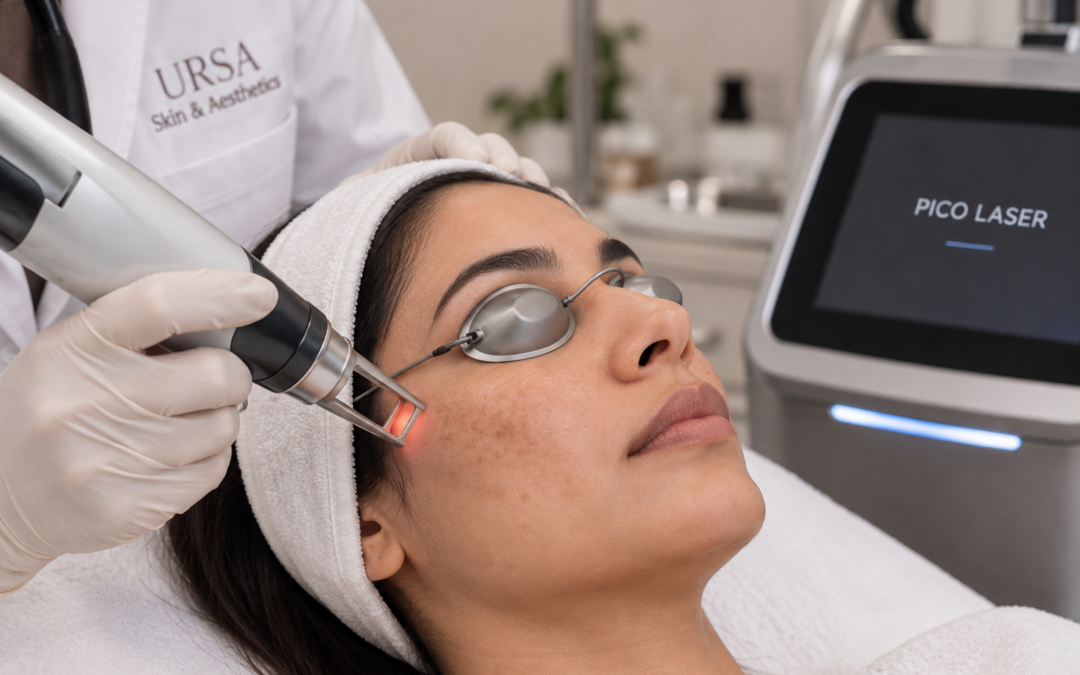
Fact: Some very mild, superficial pigmentation may fade slowly with strict sun protection alone, but most established pigmentation — sun spots, melasma, post-acne marks — needs active treatment to meaningfully fade, not just time and sunscreen.
Why These Myths Persist
Most of these beliefs sound logical on the surface — which is exactly why they spread. The reality of how skin actually behaves is often slightly more counterintuitive, which is where a dermatologist’s perspective tends to differ from general skincare advice online.
If any of these sound like habits you’ve been following, it might be worth a second look at your routine — or a consultation to check what your skin actually needs. [Link to: Homepage]