
KEY HIGHLIGHTS
- Peeling, redness, and sensitivity in the days after a chemical peel are normal, not a sign something went wrong.
- Sun protection is non-negotiable during the first week — skin is significantly more UV-sensitive post-peel.
- Picking at peeling skin is the single most common way people undo their own results.
Peeling, redness, and sensitivity in the days after a chemical peel are normal, not a sign something went wrong.
- Sun protection is non-negotiable during the first week — skin is significantly more UV-sensitive post-peel.
- Picking at peeling skin is the single most common way people undo their own results.
A chemical peel doesn’t end when you leave the clinic — how you treat your skin over the following week has a real effect on your final results. Here’s what to expect and do, broken down day by day.
Day 1–2: Redness and Tightness
Mild redness, tightness, and sensitivity are expected immediately after a peel and typically ease within the first day or two. Stick to a gentle cleanser, a basic moisturizer, and avoid any active ingredients — no retinol, no exfoliants, nothing that wasn’t specifically recommended by your dermatologist.
Day 3–5: Peeling Begins
Depending on the strength of the peel, visible flaking or peeling usually starts around this window. This is the treatment working — the outer, damaged layer of skin is shedding to reveal fresher skin underneath. Let it happen naturally rather than helping it along.
Day 6–7: Skin Settles
By the end of the first week, most peeling has typically resolved and skin starts to look noticeably fresher and more even. Some residual sensitivity is still normal; this is usually the point where a gentle return to your regular skincare routine (minus actives, still) can begin, ideally after your dermatologist confirms you’re ready.
What to Do Throughout the Week
- Apply SPF 30+ every single day, even indoors — treated skin is significantly more sensitive to UV.
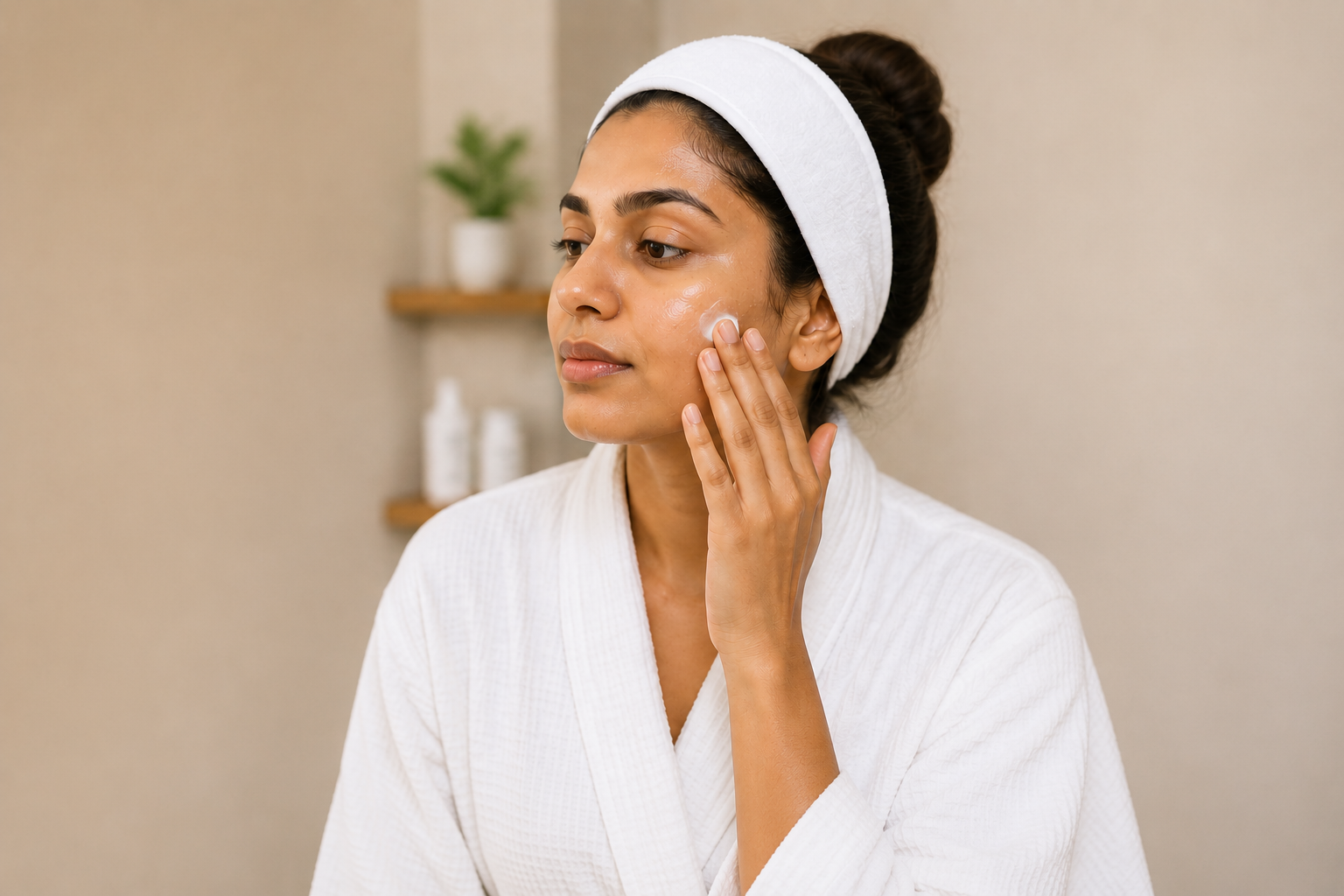
- Keep skin consistently moisturized to support the healing process.
- Stick to lukewarm water for cleansing — hot water can worsen sensitivity.
- Follow any specific aftercare instructions your dermatologist gives for your particular peel strength.
What to Avoid
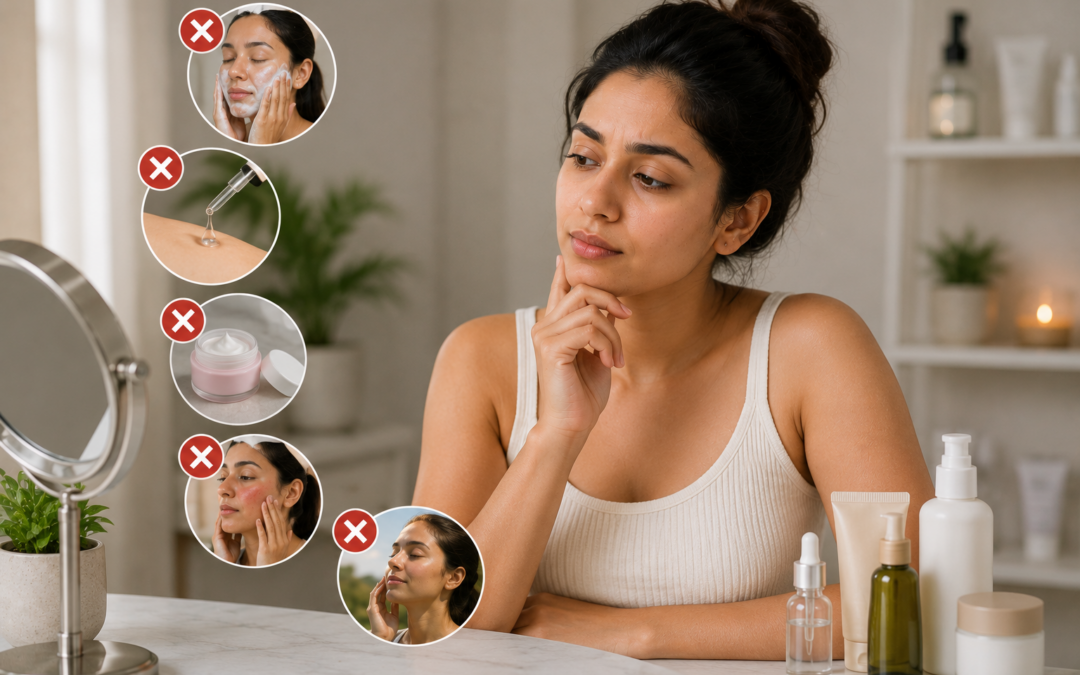
- Picking or peeling skin manually — this is the fastest way to cause scarring or uneven pigmentation, undoing the treatment’s benefit.
- Direct sun exposure without protection, even for short periods.
- Active ingredients (retinol, exfoliating acids, vitamin C serums) until cleared by your dermatologist.
- Sweat-heavy workouts or saunas in the first few days, which can irritate healing skin.
If Something Feels Wrong
Mild redness and peeling are expected. Significant pain, blistering, or peeling that seems excessive for the peel strength you had isn’t — that’s worth contacting your clinic about rather than waiting it out. [Link to: Chemical Peel Treatment page] [Link to: Pigmentation Treatment page]
The peel itself takes minutes. What you do in the week after is what actually determines how good — and how lasting — the result looks.