
KEY HIGHLIGHTS
| • Not every machine marketed under a familiar treatment name is the genuine, USFDA-approved version. • Duplicate or underpowered equipment is a common reason patients see inconsistent results across clinics. • Asking about the specific technology behind a treatment is a reasonable question, not an overly cautious one. |
It’s a strange but common reality in aesthetics: two clinics can offer a treatment under the exact same name — HydraFacial, Q-Switch laser, a specific peel — using genuinely different equipment underneath. One clinic may be using the authentic, USFDA-approved device; another may be using a cheaper, unregulated alternative built to resemble it. The name on the treatment menu doesn’t guarantee which one you’re getting.
Myth: If It’s Called the Same Treatment, It’s the Same Machine
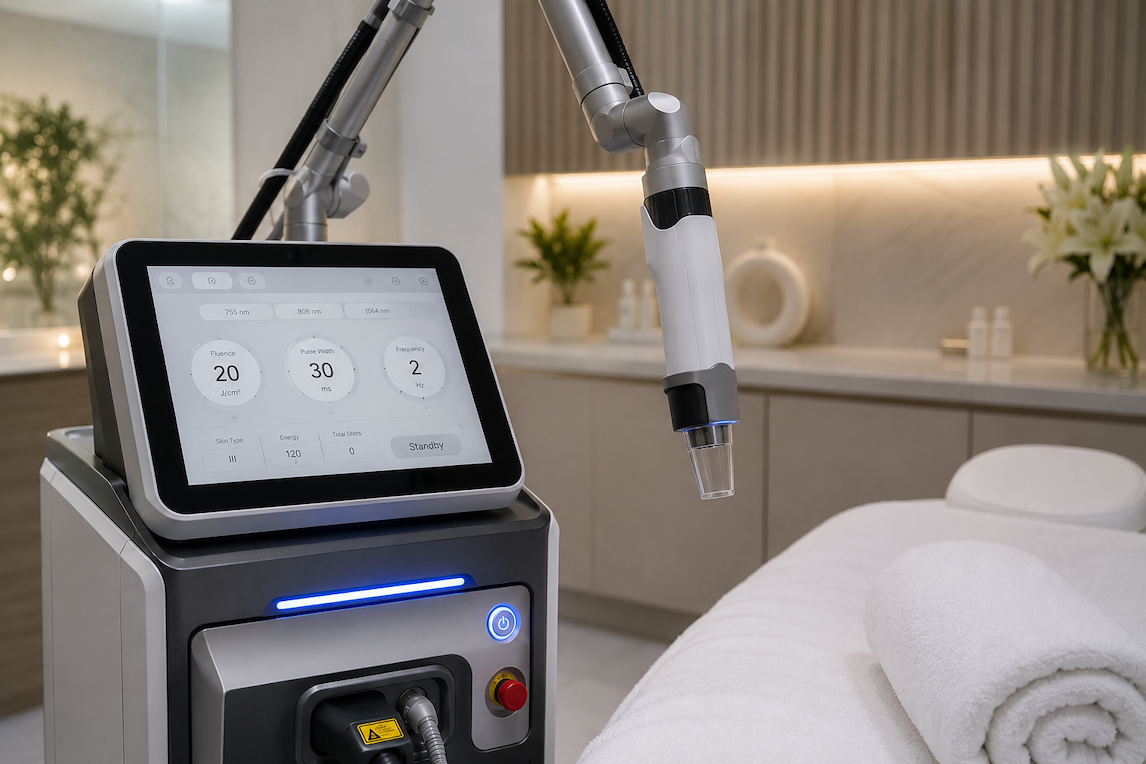
Fact: Treatment names describe a category, not a specific piece of equipment. “Laser toning” can be delivered by a range of devices with very different power, precision, and safety profiles — some rigorously tested and approved, others manufactured to look similar without the same regulatory scrutiny.
Myth: A Lower Price Just Means a Better Deal
Fact: Genuine, approved medical devices are expensive, and that cost is reflected in what a clinic charges. A significantly cheaper version of the same treatment is a reasonable signal to ask what equipment is actually being used — because the gap in price is often a gap in the machine, not just overhead.
Myth: If It Doesn’t Hurt or Cause Side Effects, It’s Working Fine
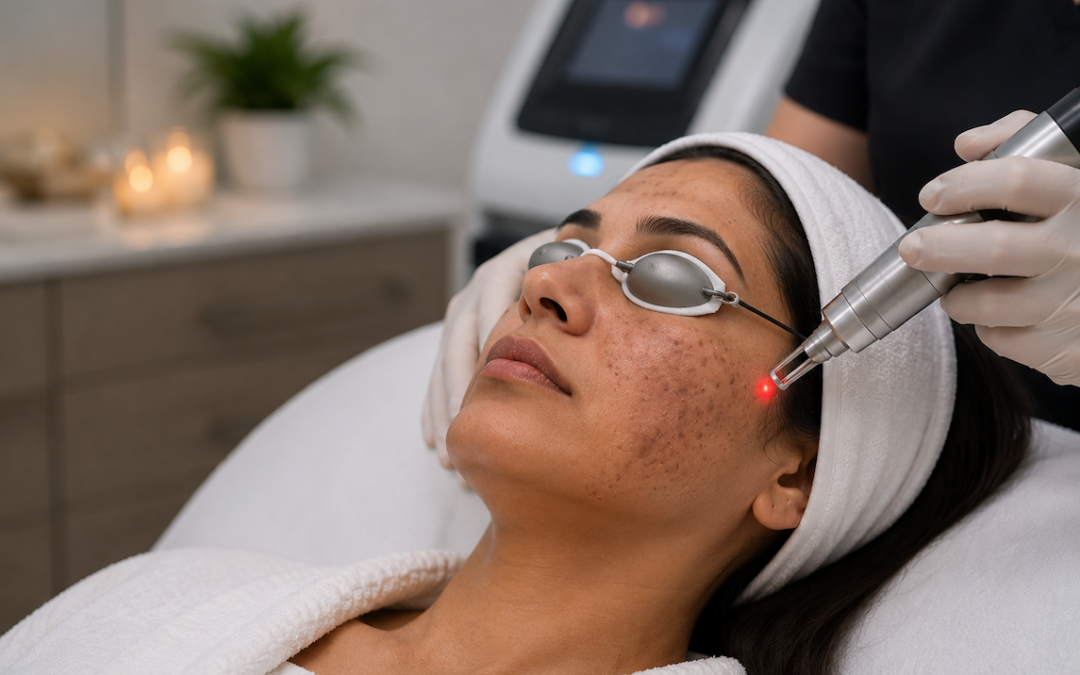
Fact: Underpowered or duplicate equipment can feel just as comfortable as the real thing while simply not delivering enough energy to produce results — which is a common, quiet reason patients go through multiple sessions with a treatment and see very little change.
Myth: This Only Matters for ‘Serious’ Treatments Like Lasers
Fact: It applies just as much to peels, facials, and other treatments that rely on specific formulations or calibrated devices. Inconsistent or unregulated versions can under- or over-deliver active ingredients, affecting both results and safety.
What to Actually Ask a Clinic
- Is this the original, USFDA-approved device, or a similar alternative?
- Can you show documentation or certification for the equipment used?
- Who is administering the treatment, and what’s their training?
These aren’t unusual questions to ask — any credible clinic should be able to answer them without hesitation.
Why This Is Non-Negotiable at URSA
Every treatment at URSA uses genuine, USFDA-approved technology, and every session is delivered under the oversight of Dr. Urvi Panchal’s medical team — not a substitute for the real thing, and not left to guesswork. [Link to: Homepage / About Us]
The technology behind a treatment isn’t a minor detail — it’s frequently the actual difference between a treatment that works and one that just feels like it should.