
KEY HIGHLIGHTS
| • Laser treatment can fade pigmentation effectively, but ‘coming back’ depends on the cause, not the laser itself. • Sun exposure without SPF afterward is the single biggest reason pigmentation returns post-treatment. • Melasma is more likely to recur than sun spots, regardless of how well the laser session went. |
Short answer: it can, but whether it does has less to do with the laser and more to do with what’s underneath the pigmentation in the first place, and what you do afterward. Understanding the real variable helps set the right expectations before you start.
The Cause of Your Pigmentation Matters More Than the Laser
Sun spots caused by direct UV exposure generally respond well and stay gone once treated, because the laser addresses the concentrated pigment directly and there’s no ongoing internal trigger. Melasma is different — because it’s driven by hormonal factors, the underlying trigger doesn’t go away just because the visible pigment does. That’s why melasma has a meaningfully higher chance of returning than sun spots, independent of how well the laser session itself went.
Sun Exposure After Treatment Is the Biggest Risk Factor
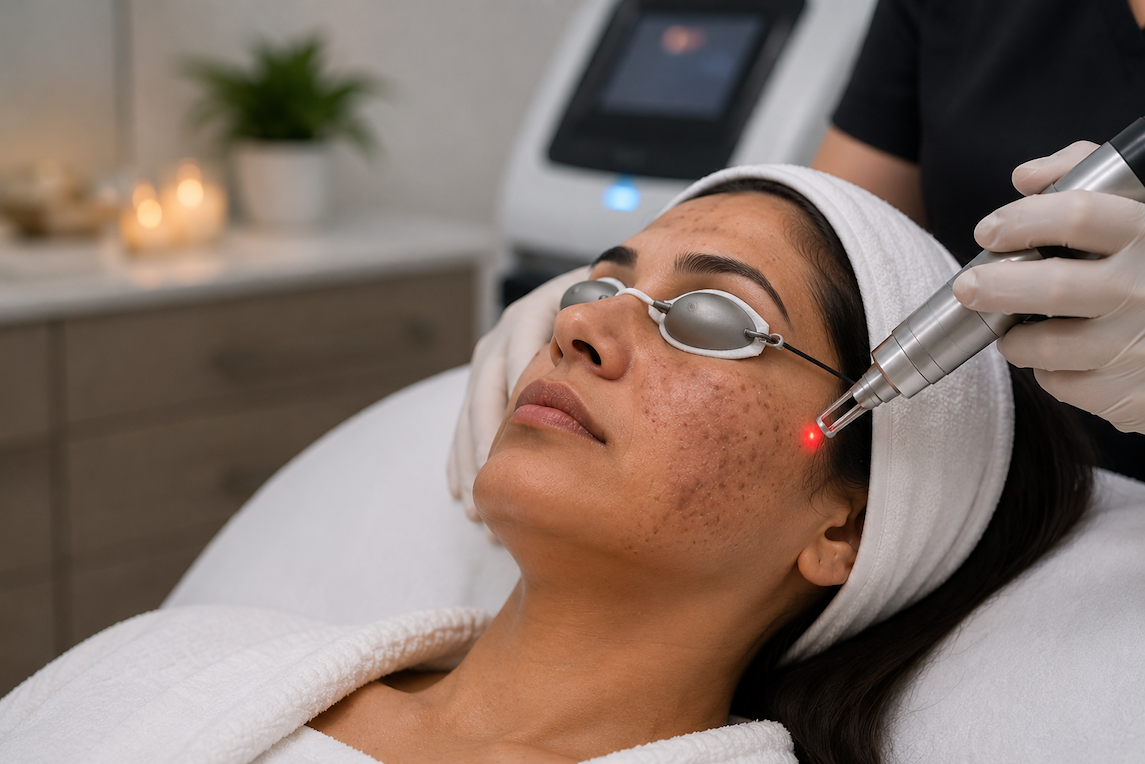
Freshly treated skin is more sensitive to UV exposure, not less. Skipping SPF in the days and weeks after a laser session is the single most common reason pigmentation resurfaces — sometimes darker than before. This isn’t a minor detail; it’s the difference between a treatment that lasts and one that doesn’t.
Incomplete Treatment Plans Also Play a Role
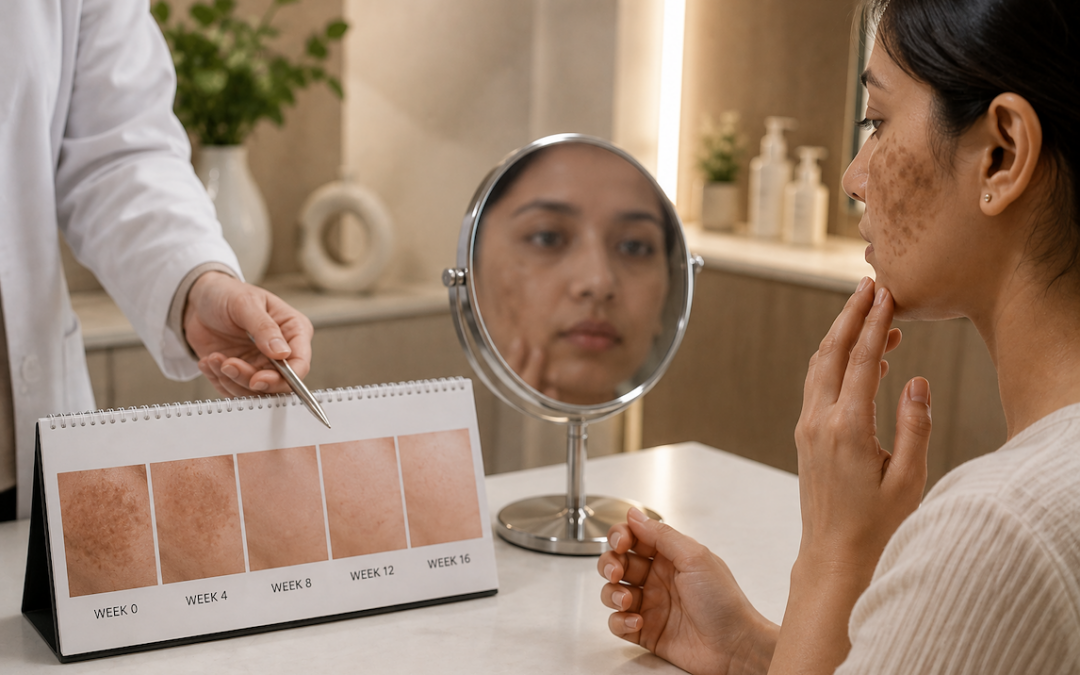
Pigmentation removal is rarely a one-session fix, especially for deeper or more stubborn pigment. Stopping treatment early — once results look ‘good enough’ rather than completing the recommended course — leaves some pigment cells intact, which can resurface over time.
What Actually Keeps Pigmentation From Coming Back
- Daily SPF 30+, including on cloudy days and indoors near windows.
- Completing the full recommended treatment course, not stopping after early improvement.
- Follow-up visits to monitor and address any early signs of recurrence.
- For melasma specifically, ongoing maintenance rather than a single treatment and done.
What This Means for Your Treatment Plan
At URSA, the treatment recommendation depends on which type of pigmentation you have — because that’s what actually determines your odds of a lasting result, not just the technology used. [Link to: Pigmentation Treatment page]
If pigmentation has returned after a previous treatment elsewhere, that’s not necessarily a sign the treatment failed — it may be a sign the underlying cause was never correctly identified in the first place.